What is cybersecurity? It’s the practice of protecting computers, networks, and data from unauthorized access, theft, or damage. Every time someone shops online, checks email, or logs into a bank account, cybersecurity works behind the scenes to keep that information safe.
Digital threats grow more sophisticated each year. Hackers target individuals and businesses alike, looking for weak points they can exploit. Understanding cybersecurity basics helps people recognize risks and take steps to protect themselves. This guide breaks down what cybersecurity means, the threats people face, and practical ways to stay safer online.
Table of Contents
ToggleKey Takeaways
- Cybersecurity is the practice of protecting computers, networks, and data from unauthorized access, theft, or damage.
- The CIA triad—confidentiality, integrity, and availability—forms the foundation of every cybersecurity strategy.
- Common cyber threats include malware, phishing, ransomware, social engineering, and password attacks.
- Cybersecurity matters for everyone because personal data, financial accounts, and privacy are all at risk from cybercriminals.
- Essential cybersecurity habits include using strong unique passwords, enabling multi-factor authentication, keeping software updated, and backing up data regularly.
- Staying informed about evolving threats is your best defense against new scams and attacks.
Understanding the Basics of Cybersecurity
Cybersecurity refers to the methods and technologies used to protect digital systems from attacks. This includes safeguarding computers, smartphones, servers, and networks from hackers who want to steal data or cause harm.
At its core, cybersecurity focuses on three main goals:
- Confidentiality: Keeping sensitive information private and accessible only to authorized users
- Integrity: Ensuring data remains accurate and unaltered by unauthorized parties
- Availability: Making sure systems and data stay accessible when needed
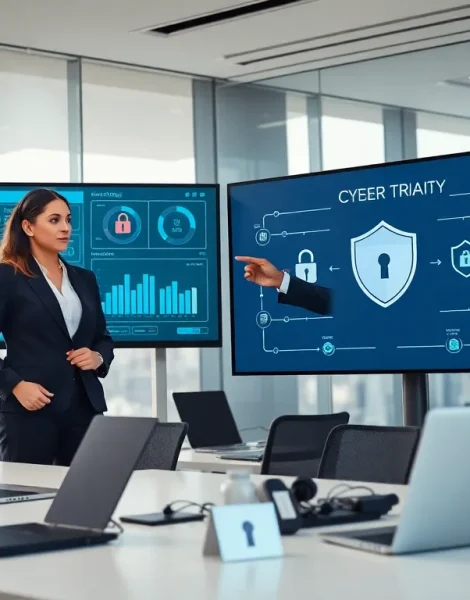
These three principles, often called the CIA triad, form the foundation of every cybersecurity strategy.
Cybersecurity spans multiple areas. Network security protects the infrastructure that connects devices. Application security focuses on keeping software free from vulnerabilities. Information security guards data in storage and during transmission. Cloud security addresses risks specific to online storage and services.
Professionals who work in cybersecurity use various tools. Firewalls block unauthorized traffic. Antivirus software detects and removes malicious programs. Encryption scrambles data so only authorized users can read it. Multi-factor authentication adds extra verification steps before granting access.
Understanding these basics gives people a framework for thinking about digital protection. Cybersecurity isn’t just for IT departments, it’s something everyone interacts with daily.
Common Cyber Threats You Should Know
Cyber threats come in many forms. Knowing what they look like helps people spot danger before it causes damage.
Malware
Malware is software designed to harm computers or steal information. It includes viruses, worms, trojans, and spyware. Malware often spreads through email attachments, infected websites, or downloaded files. Once installed, it can steal passwords, delete files, or give hackers control of a device.
Phishing
Phishing attacks trick people into revealing sensitive information. Attackers send emails or messages that appear to come from legitimate sources, banks, employers, or popular services. These messages often include links to fake websites that capture login credentials or financial details. Phishing remains one of the most common cybersecurity threats because it exploits human trust.
Ransomware
Ransomware locks users out of their files or systems until they pay a ransom. Attacks increased significantly in recent years, targeting hospitals, schools, and businesses. Paying the ransom doesn’t guarantee data recovery, and it funds criminal operations.
Social Engineering
Social engineering manipulates people into breaking security protocols. Attackers might pose as tech support, coworkers, or authority figures to extract information. They rely on psychology rather than technical exploits.
Password Attacks
Hackers use various methods to crack passwords. Brute force attacks try every possible combination. Dictionary attacks test common words and phrases. Credential stuffing uses stolen passwords from one site to access accounts elsewhere.
Each of these threats poses real risks to personal and financial security. Awareness is the first line of defense against them.
Why Cybersecurity Matters for Everyone
Some people assume cybersecurity only concerns large corporations or government agencies. That assumption is wrong. Cybercriminals target individuals just as aggressively as they target businesses.
Consider what’s at stake. Personal information like Social Security numbers, bank account details, and medical records has real value on the black market. Identity theft affected millions of Americans in 2024 alone. Victims spend months or years cleaning up the damage.
Financial losses add up quickly. Online fraud costs consumers billions annually. A single successful phishing attack can drain a bank account or max out credit cards. Recovering that money isn’t always possible.
Cybersecurity also protects privacy. Personal photos, private messages, and browsing history reveal intimate details about people’s lives. A data breach can expose information someone never intended to share publicly.
Beyond individual concerns, cybersecurity affects society broadly. Critical infrastructure, power grids, water systems, hospitals, depends on digital systems. Attacks on these systems can disrupt essential services and endanger lives.
Small businesses face particular vulnerability. They often lack dedicated security staff but hold valuable customer data. A breach can destroy customer trust and sink a company.
Cybersecurity matters because digital life and physical life are now inseparable. The smartphone in someone’s pocket connects to their bank, their workplace, their medical records, and their social circles. Protecting that device means protecting nearly every aspect of modern life.
Essential Cybersecurity Practices for Everyday Users
Good cybersecurity habits don’t require technical expertise. Simple practices significantly reduce risk.
Use Strong, Unique Passwords
Weak passwords remain a top vulnerability. Strong passwords contain at least 12 characters, mixing uppercase letters, lowercase letters, numbers, and symbols. Each account should have a different password. Password managers make this manageable, they generate and store complex passwords securely.
Enable Multi-Factor Authentication
Multi-factor authentication (MFA) adds a second verification step beyond passwords. This might be a text message code, an authenticator app, or a fingerprint scan. Even if hackers steal a password, MFA often stops them from accessing the account.
Keep Software Updated
Software updates patch security vulnerabilities. Hackers actively exploit known weaknesses in outdated programs. Enabling automatic updates ensures devices stay protected without requiring constant attention.
Think Before Clicking
Most successful attacks require user action, clicking a link, downloading a file, or entering credentials. Pause before clicking anything unexpected. Verify the sender’s identity. Check URLs carefully. If something seems suspicious, it probably is.
Back Up Important Data
Regular backups protect against ransomware and hardware failures. Store backups in multiple locations, including offline or cloud storage. Test backups periodically to confirm they work.
Secure Home Networks
Change default router passwords. Use WPA3 encryption when available. Create a guest network for visitors and smart home devices. These steps prevent unauthorized access to home networks.
Stay Informed
Cybersecurity threats evolve constantly. Following reputable security news sources helps people recognize new scams and attacks. Knowledge remains the best defense against emerging threats.